
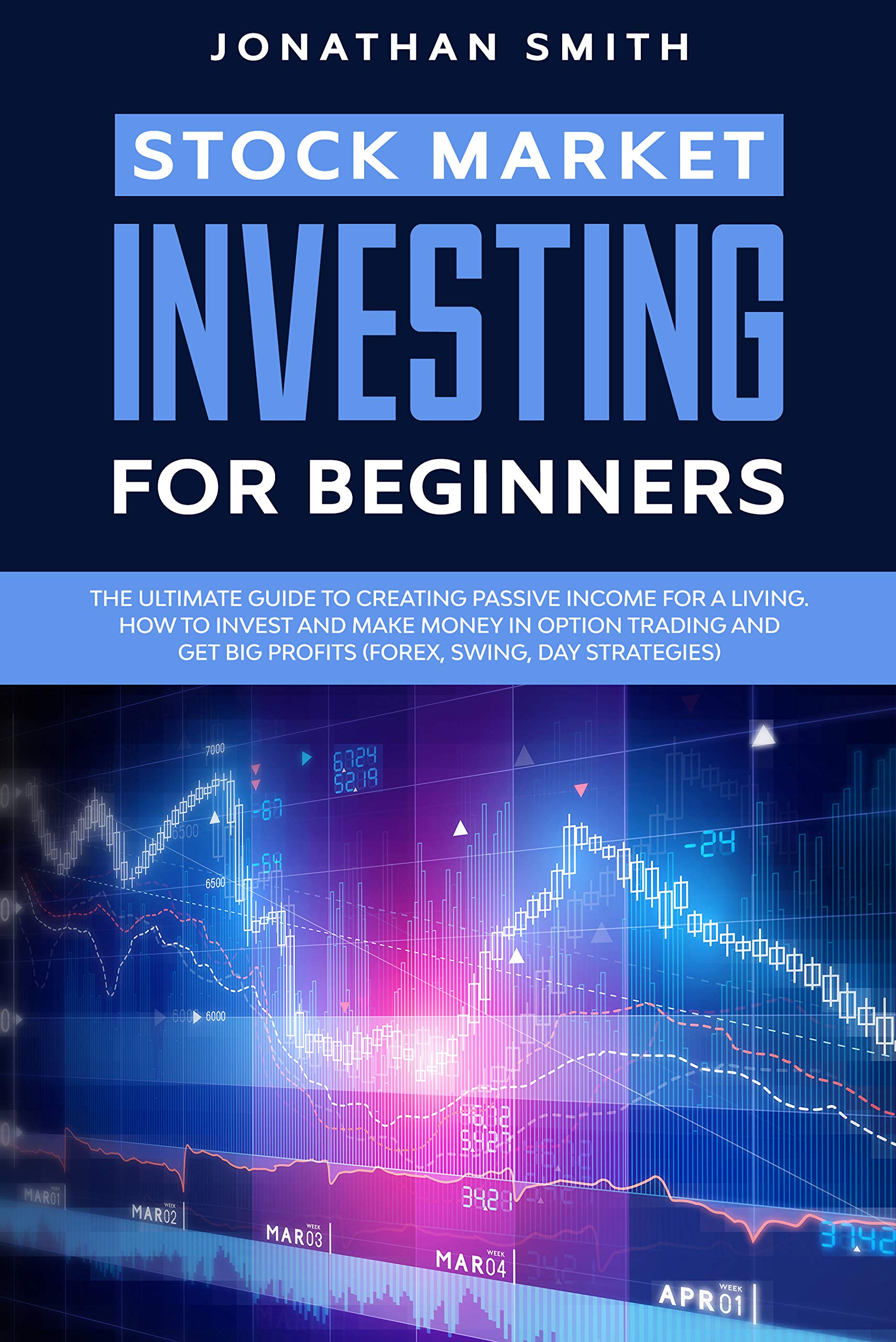
The Ultimate Guide to Investing in Stock Markets for Beginners
Investing in the stock market can be an overwhelming concept for beginners, especially with all the jargon and strategies involved. However, with the right knowledge and approach, it can also be one of the most rewarding ways to grow your wealth. This guide will break down everything you need to know to get started with investing in stocks and build a strong foundation for your financial future.
What is the Stock Market?
The stock market is a platform where buyers and sellers come together to trade shares of publicly listed companies. When you buy stock, you’re purchasing a small ownership stake in a company. These shares can fluctuate in value based on factors such as company performance, industry trends, and broader economic conditions.
Why Invest in the Stock Market?
Investing in stocks offers several potential advantages:
- High Returns: Historically, the stock market has provided higher returns compared to other investment vehicles such as bonds or savings accounts.
- Ownership: As a shareholder, you own a portion of the company, which may entitle you to dividends or voting rights.
- Liquidity: Stocks are generally easy to buy and sell, offering flexibility in managing your investments.
However, it’s important to note that stock market investments come with risks, and prices can be volatile in the short term. Understanding how to mitigate these risks is key to becoming a successful investor.
Getting Started with Stock Market Investing
1. Set Financial Goals
Before you begin investing, it’s essential to define your financial goals. Are you investing for retirement? A large purchase like a house? Or just to grow your wealth over time? Having clear goals will help you determine your investment strategy, time horizon, and risk tolerance.
2. Educate Yourself
The stock market is full of terms, strategies, and concepts that may be unfamiliar to you. It’s important to take the time to learn the basics, such as:
- Stocks and Bonds: What are they and how do they differ?
- Bull and Bear Markets: Understanding market trends.
- Dividends: How do they work, and how can they generate passive income?
- Market Orders vs. Limit Orders: How to execute stock trades.
There are many online resources, courses, and books available to help you get up to speed on stock market investing.
3. Choose a Broker
To invest in stocks, you’ll need to open a brokerage account. A broker acts as the intermediary between you and the stock market. There are several types of brokers available:
- Traditional Brokers: Offer personal advice and research (often with higher fees).
- Online Discount Brokers: Provide a more self-directed approach with lower fees and commissions.
When choosing a broker, look for one that offers low fees, easy-to-use platforms, educational resources, and a good selection of investment options.
4. Start with a Diversified Portfolio
Diversification is key to managing risk in your investment strategy. Rather than putting all your money into one stock, spread it across different industries and asset classes (e.g., technology, healthcare, consumer goods, bonds). This helps protect your portfolio from significant losses if one sector or company experiences a downturn.
You can achieve diversification through:
- Index Funds and ETFs: These are investment vehicles that track a specific market index, such as the S&P 500, and allow you to invest in a broad range of companies.
- Mutual Funds: These are managed investment funds that pool money from multiple investors to invest in a diversified portfolio.
5. Understand the Risks
All investments carry risk, and stock market investments are no exception. Market volatility, economic downturns, and company-specific events can all impact the value of your stocks. It’s crucial to invest money that you don’t need immediately and be prepared for market fluctuations.
That said, long-term investments in solid companies generally have the potential to recover and grow over time. Staying patient and focused on your long-term goals is critical.
Tips for Successful Stock Market Investing
-
Start Small and Gradually Increase Your Investment
As a beginner, start with a small amount of capital and increase your investment as you become more comfortable with the market. -
Stay Consistent and Invest Regularly
Dollar-cost averaging (DCA) is a strategy that involves investing a fixed amount of money into the market at regular intervals. This helps mitigate the risk of investing a large sum at an inopportune time. -
Avoid Trying to Time the Market
It’s difficult, if not impossible, to consistently predict short-term market movements. Focus on your long-term investment goals and avoid making decisions based on short-term market fluctuations. -
Monitor Your Portfolio Regularly
While it’s essential to stay focused on your long-term goals, you should still monitor your portfolio to ensure it’s on track and rebalanced as needed. -
Seek Professional Advice If Needed
If you’re unsure about making investment decisions, consider consulting with a financial advisor. They can provide personalized advice based on your financial situation and goals.
Conclusion
Investing in the stock market is a great way to build wealth over time, but it’s important to approach it with patience, education, and a long-term mindset. By setting clear financial goals, diversifying your investments, and understanding the risks involved, you can increase your chances of success.
Remember, every investor starts somewhere. With this guide, you’re now better equipped to take your first steps in the stock market. Happy investing!