
Understanding Cryptocurrency: Is It the Future of Investing?
Cryptocurrency has emerged as one of the most talked-about investment options in recent years. With high volatility, incredible potential for gains, and a groundbreaking underlying technology—blockchain—cryptocurrencies like Bitcoin, Ethereum, and many others have captivated investors globally. But with the growing popularity of digital currencies, the question arises: Is cryptocurrency the future of investing? In this article, we will delve into the basics of cryptocurrency, the potential benefits and risks, and how it could shape the investment landscape going forward.
What is Cryptocurrency?
Cryptocurrency is a type of digital or virtual currency that uses cryptography for security. Unlike traditional currencies issued by governments (fiat currencies), cryptocurrencies are decentralized and typically operate on technology called blockchain.
Key Features of Cryptocurrency:
- Decentralized: Most cryptocurrencies are not controlled by any central authority (such as a government or financial institution), making them immune to government interference or manipulation.
- Blockchain Technology: Cryptocurrencies are built on blockchain technology, a distributed ledger that ensures transparency, security, and immutability.
- Pseudonymous: Transactions are recorded on the blockchain, but the identities of the parties involved are generally hidden behind cryptographic addresses, offering some level of anonymity.
The most well-known cryptocurrency is Bitcoin, created in 2009 by an anonymous person (or group) known as Satoshi Nakamoto. Since then, thousands of alternative cryptocurrencies, often referred to as altcoins, have been created, including Ethereum, Ripple (XRP), Litecoin, and many more.
The Potential of Cryptocurrency in Investing
Cryptocurrency has undoubtedly changed the way people think about investing. Here’s why:
1. High Returns on Investment
Cryptocurrencies are known for their extreme volatility, which can translate to both significant gains and losses. However, many early adopters of Bitcoin and Ethereum have seen extraordinary returns on their investments, leading to widespread interest in the asset class.
For example, Bitcoin’s price surged from under $1,000 in early 2017 to nearly $20,000 by the end of that year, making it an attractive proposition for high-risk investors.
2. Diversification of Investment Portfolios
Including cryptocurrency in an investment portfolio can offer diversification benefits. Traditional asset classes like stocks, bonds, and real estate often move in correlation with one another, meaning they can be affected by the same market forces.
Cryptocurrency, on the other hand, can act as a non-correlated asset, meaning its price movements don’t always align with those of traditional markets. This can help investors reduce risk and increase the potential for returns, especially during times of stock market volatility.
3. Blockchain and DeFi (Decentralized Finance)
The rise of DeFi platforms, built on blockchain technology, has opened up new opportunities for investors. DeFi allows for financial services—such as lending, borrowing, and trading—to occur without the need for traditional banks or intermediaries.
Blockchain’s underlying technology also has far-reaching implications beyond just cryptocurrency. It can transform industries like supply chain management, healthcare, and voting systems, presenting exciting investment opportunities.
4. Global Accessibility
Cryptocurrency offers a level of accessibility that traditional financial systems do not. Anyone with an internet connection can invest in and trade cryptocurrencies, regardless of their geographical location or financial status. This opens up investing to a broader, more diverse group of people around the world.
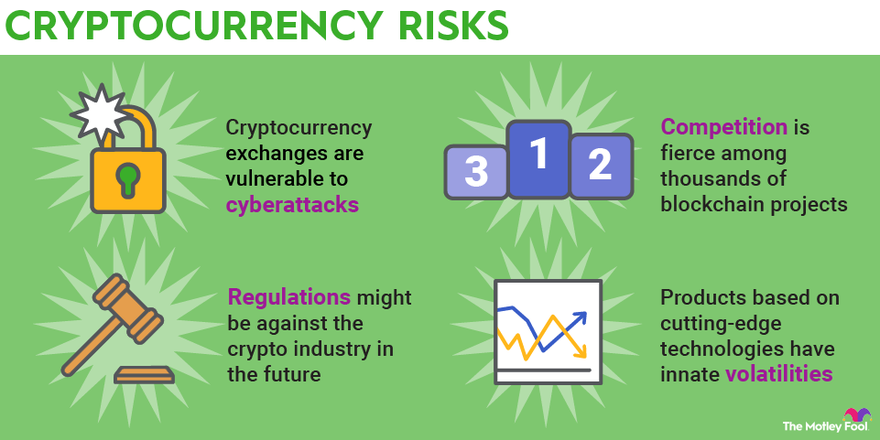
The Risks of Cryptocurrency as an Investment
While the potential rewards of cryptocurrency are alluring, there are significant risks to consider:
1. Extreme Volatility
Cryptocurrencies are known for their wild price swings. While this volatility presents the opportunity for massive gains, it also exposes investors to the risk of heavy losses. Prices can fluctuate by 10% or more in a single day, making it difficult for investors to predict the value of their holdings.
2. Regulatory Uncertainty
Cryptocurrency exists in a relatively uncertain regulatory environment. Governments around the world are still grappling with how to classify and regulate digital assets. Some countries, like El Salvador, have embraced Bitcoin as legal tender, while others, such as China, have imposed harsh crackdowns on cryptocurrency activities.
The lack of clear regulatory guidelines could lead to sudden changes in cryptocurrency laws, potentially harming investors and the market.
3. Security Concerns
Cryptocurrency is typically stored in digital wallets, which can be vulnerable to hacking and cyberattacks. While blockchain technology itself is considered secure, the platforms that facilitate buying, selling, and storing cryptocurrencies are not immune to breaches.
If you lose access to your wallet or fall victim to a scam, there may be no way to recover your funds. It’s important to use secure exchanges and wallets and to implement best practices for safeguarding your digital assets.
4. Market Manipulation
Due to the relatively low market capitalization of many cryptocurrencies and the high level of speculation involved, the market is susceptible to manipulation by large players (whales). These entities can influence the price of cryptocurrencies through large buy or sell orders, which can lead to sudden price spikes or crashes.
Is Cryptocurrency the Future of Investing?
The future of cryptocurrency in the investment world is still uncertain, but its growing presence and influence are undeniable. As the technology continues to mature, more investors are beginning to see the potential for digital currencies to revolutionize the financial landscape.
Why Cryptocurrency Might Be the Future:
- Adoption by Institutions: Increasing institutional adoption, such as hedge funds, investment banks, and publicly traded companies adding Bitcoin to their balance sheets, indicates that cryptocurrency is becoming a more accepted asset class.
- Continued Innovation: Blockchain and cryptocurrency technologies are constantly evolving, with new projects and use cases emerging regularly. As the technology improves, it could become more integrated into the global financial system.
- Hedge Against Inflation: Some investors view cryptocurrency, particularly Bitcoin, as a hedge against inflation. With its limited supply and decentralized nature, Bitcoin is seen as a store of value similar to gold.
Challenges Ahead:
- Regulatory Clarity: For cryptocurrency to become a mainstream investment option, clearer regulations and protections must be established. This would help reduce investor uncertainty and foster wider adoption.
- Mainstream Adoption: For cryptocurrency to become widely accepted as a legitimate form of payment, broader infrastructure and user education are needed. The ability to spend cryptocurrency in everyday transactions will be crucial in driving long-term demand.
Conclusion
Cryptocurrency presents both an exciting opportunity and a high-risk investment. While its future is uncertain, the potential for significant growth and innovation cannot be ignored. If you decide to invest in cryptocurrency, it’s important to do thorough research, diversify your investments, and only invest money that you can afford to lose.
As the technology behind cryptocurrencies continues to evolve, it could very well become a key part of the future of investing. However, as with any emerging asset class, caution and careful planning are essential.